


Starting a skincare brand has become an exciting opportunity for entrepreneurs, beauty professionals, and businesses looking to enter the growing global beauty market.
However, building a successful skincare brand requires more than creating a good product. From developing formulas and designing packaging to selecting the right manufacturing partner and launching your products, every step plays an important role.
If you are planning to start a skincare brand in 2026, this guide will walk you through the complete process, helping you understand how to turn your idea into a market-ready skincare business.
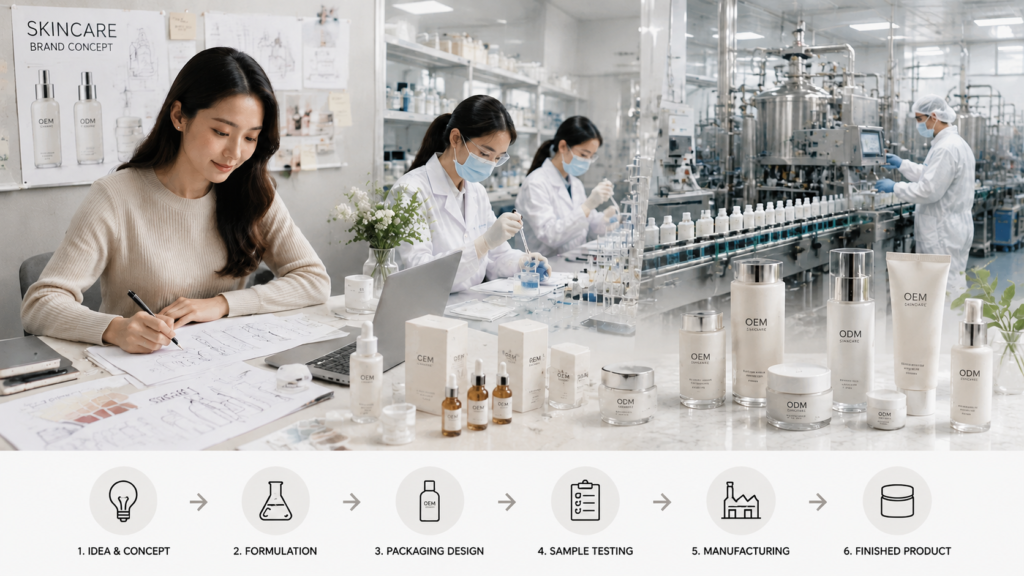
1. Define Your Skincare Brand Concept
Before developing products, you need a clear brand direction.
A successful skincare brand should answer:
- Who are your target customers?
- What skin concerns do you solve?
- What makes your products different?
- What values does your brand represent?
For example, your brand may focus on:
- Natural skincare
- Anti-aging solutions
- Sensitive skin products
- Clean beauty
- Premium skincare
A clear positioning strategy helps you create products that match customer expectations and stand out in the market.

2. Develop Your Skincare Product Formula
Formula development is one of the most important steps when building a skincare brand.
You can choose between:
Custom Formula Development
A https://yueyanmakeup.com/about/our-laboratory/ can help create unique formulas based on your product requirements.
Benefits include:
- Exclusive formulations
- Customized ingredients
- Unique product performance
- Stronger brand differentiation
Private Label Skincare Solutions
For new brands, private label skincare can be a faster option.
You can select existing formulas and customize:
- Brand name
- Packaging
- Product appearance
- Marketing positioning
This approach allows entrepreneurs to launch products faster with lower development costs.

3. Choose the Right Skincare Manufacturer
Finding a reliable manufacturing partner is critical for your brand success.
A professional skincare manufacturer should provide:
Research and Development Support
A strong R&D team can help with:
- Ingredient selection
- Formula improvement
- Product testing
- Market trend recommendations
Quality Manufacturing
Before cooperation, check:
- Production facilities
- Quality control systems
- Certifications
- Manufacturing experience
A trusted manufacturing partner ensures your products meet safety standards and customer expectations.

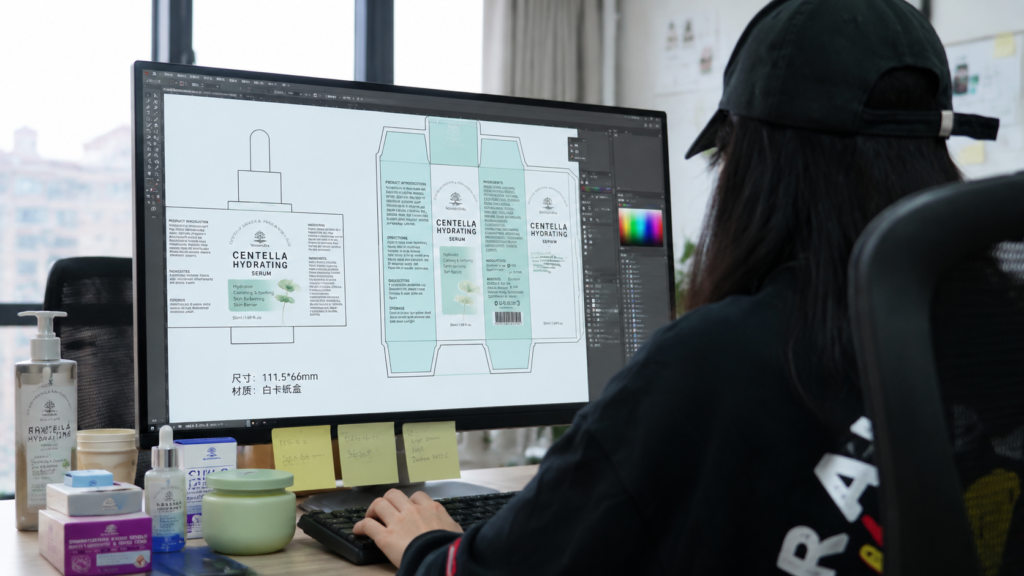
4. Design Skincare Packaging
Packaging is not only about appearance. It also influences customer purchasing decisions.
Effective skincare packaging should include:
- Brand identity
- Product information
- Functional design
- Consumer convenience
Important packaging elements include:
Bottle and Container Selection
Choose packaging that matches:
- Product formula
- Brand positioning
- Target customers
Label Design
Your label should clearly communicate:
- Product benefits
- Ingredients
- Usage instructions
- Brand story
Professional packaging helps create trust and improve market competitiveness.
5. Testing and Compliance
Before launching your skincare products, proper testing is essential.
Common skincare tests include:
- Stability testing
- Safety testing
- Compatibility testing
- Microbiological testing
Depending on your target market, you may also need to meet specific cosmetic regulations.
Working with an experienced manufacturer can help ensure your products comply with industry requirements.
6. Production and Quality Control
After formula approval and testing, your products can move into production.
A professional skincare production process usually includes:
- Raw material inspection
- Formula preparation
- Filling and packaging
- Quality inspection
- Final product delivery
Strict quality control helps maintain product consistency and protect your brand reputation.
7. Launch Your Skincare Brand in the Market
After production, the next step is building customer awareness.
A successful launch strategy may include:
- Brand website
- Social media marketing
- Influencer partnerships
- Online marketplaces
- Retail partnerships
Your marketing should communicate:
- Product benefits
- Brand story
- Customer problems solved
- Unique advantages
A strong launch plan helps your skincare brand gain visibility and attract customers.
How Much Does It Cost to Start a Skincare Brand?
The cost of starting a skincare brand depends on:
- Product type
- Formula complexity
- Packaging requirements
- Production quantity
- Marketing investment
Working with a private label or ODM manufacturer can reduce initial investment, while custom OEM development usually requires more resources.
New brands should create a realistic budget covering:
- Product development
- Manufacturing
- Packaging
- Testing
- Marketing
Final Thoughts: Building a Successful Skincare Brand
To successfully start a skincare brand, you need more than a great idea.
A successful skincare business requires:
- Clear brand positioning
- High-quality formulas
- Reliable manufacturing
- Attractive packaging
- Effective marketing strategy
Choosing the right skincare manufacturing partner can help you move from concept to market faster and build a stronger brand foundation.
Ready to launch your skincare brand in 2026? Contact our team today to discuss custom formulation, packaging, and manufacturing solutions for your products.